


SpeakInno typically focuses on how consumer markets evolve under the influence of technology, behavior change, and regulatory adaptation. In that context, Spain’s vaping market offers a useful example of how a once-simple product category is gradually becoming more structured and performance-driven. What used to be a convenience-led purchase is now shifting toward durability, consistency, and device transparency.
A small retail shop in central Madrid illustrates this change clearly. The shop is located near a busy commuter street where most customers are either office workers or short-term visitors passing through the city. Two years ago, the majority of purchases were low-capacity disposable vapes chosen mainly for flavor variety and price. Customers would often buy multiple units at once, expecting short usage cycles and frequent replacement.
Today, the same shop reports a different pattern. Many customers now ask very specific questions before purchasing: how long a device lasts after charging, whether flavor output remains stable after repeated use, and how many cycles the battery can handle. Instead of focusing on variety, they are more concerned with consistency. This behavioral shift has encouraged retailers to reduce the number of ultra-basic disposable options and focus more on rechargeable models.
This change is closely tied to improvements in device design. Mesh coil systems, in particular, have played a major role in shaping expectations. Unlike older coil types that tend to degrade flavor quality quickly, mesh structures distribute heat more evenly, resulting in more stable vapor output over time. Combined with rechargeable battery systems, this has effectively extended the usable life of what was previously a short-cycle product category.
In Spain, this technical improvement intersects with a broader European consumer mindset that values product efficiency and reduced waste. While regulations continue to evolve across the EU, consumer awareness is increasingly focused on specifications rather than branding alone. Terms like puff capacity, coil type, and charging method are now part of everyday retail conversations in vape shops, especially in urban centers such as Madrid, Barcelona, and Valencia.
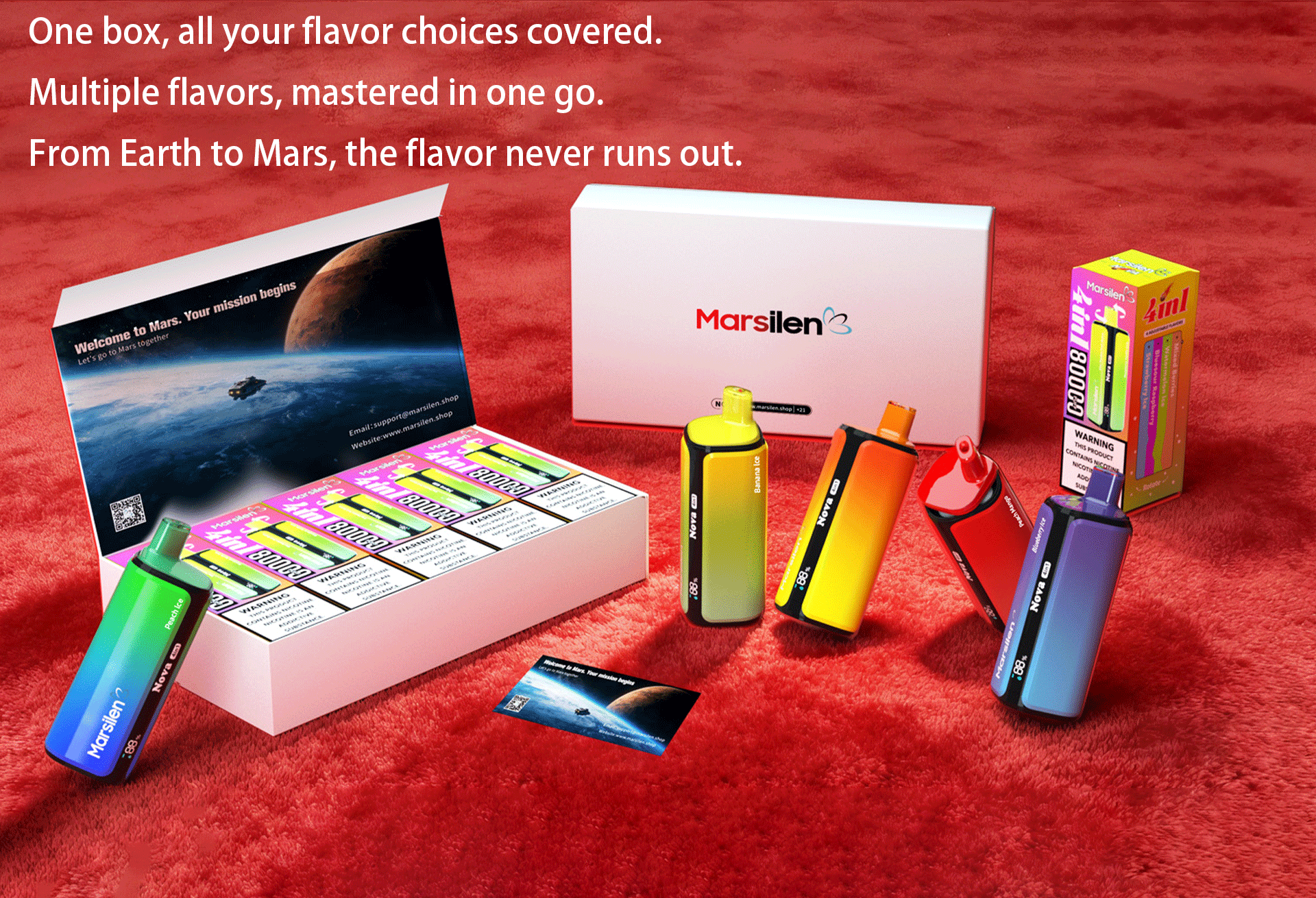
Within this environment, online purchasing behavior has also changed. Instead of relying solely on physical store recommendations, many users now cross-check product availability and specifications through regional platforms. In this process, some buyers come across listings such as Marsilen Spain vape online shop, which reflects how localized e-commerce is becoming more relevant for Spanish consumers compared to generic international marketplaces.
The same shift can be seen in demand for higher-capacity devices, particularly those built around mesh coil systems. Rather than purchasing multiple low-capacity units, users increasingly prefer devices designed for longer usage cycles with stable flavor output. This category is often discussed in retail environments as part of a broader move toward efficiency-oriented vaping habits. One commonly referenced product category in this context is the large capacity mesh coil disposable vape for Spanish vapers, which reflects how performance specifications are becoming a key decision factor rather than just packaging or flavor branding.
What makes this shift particularly visible in Madrid is the change in customer dialogue inside small independent vape shops. Staff members report that conversations have become more technical over time. Instead of asking “what new flavors are available,” customers now ask about resistance levels, battery recharge cycles, and how consistent the vapor remains after multiple uses. This subtle change signals a transition from impulse purchasing toward more informed product evaluation.
It has also influenced how retailers manage inventory. Shops that once stocked a wide range of visually distinct disposable devices are now consolidating their offerings into fewer but more reliable product lines. This reduces operational complexity and aligns better with repeat customer expectations. For manufacturers and distributors, this means that product consistency and long-term performance are becoming more important than frequent aesthetic variation.
Spain’s market is still in a transitional phase rather than full maturity. Coastal cities with higher tourist traffic tend to adopt new vaping formats earlier, while inland regions usually follow at a slower pace. However, across both segments, the direction is consistent: users are gradually prioritizing devices that last longer, perform more steadily, and require less frequent replacement.
From a broader perspective, this does not represent a sudden disruption but a gradual refinement of consumer expectations. Disposable vaping products are not disappearing; instead, they are being redefined. Rechargeable systems with mesh coil technology are simply becoming the new baseline for what users consider acceptable performance.
In that sense, Spain is not an isolated case but part of a wider European pattern where convenience is no longer enough on its own. Performance stability, cost efficiency over time, and predictable usage experience are increasingly shaping how consumers evaluate products in this category.