


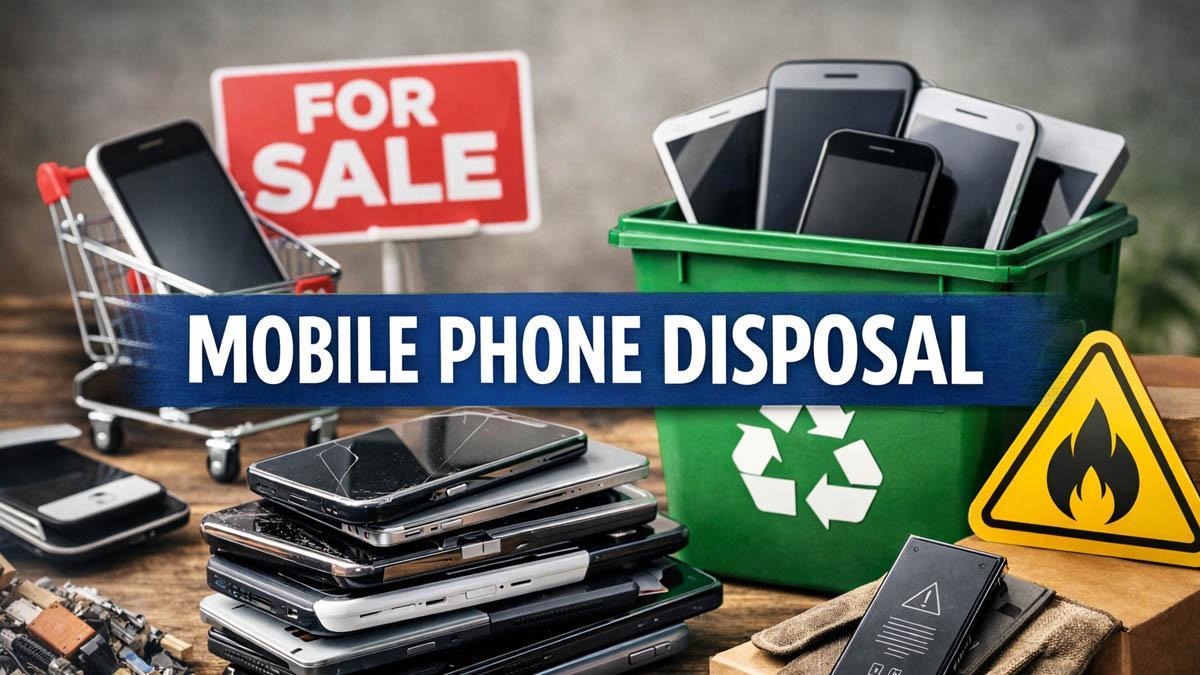
Phones are replaced faster than ever. Most people upgrade every few years, and before long, old devices start piling up. Almost every individual—or every household—ends up with at least one unused phone sitting around. Some are still working, some are broken, and some have simply been forgotten. The question most people face isn’t complicated, but it’s unclear: should these phones be left in a drawer, thrown away like regular trash, taken to a recycling center, or sold while they still have some value?
Why Old Phones Should Not Be Thrown in the Trash
Contents
- Why Old Phones Should Not Be Thrown in the Trash
- First Notice: A Swollen Phone Battery Requires Immediate Action
- Step one: decide whether the phone can be sold or must be recycled
- Where to Sell Used Phones in the US and Europe
- Where to recycle old or damaged phones safely
- Manufacturer mail-in recycling programs
- Retail and municipal drop-off locations
- Data and privacy considerations before phone disposal
- Conclusion
Throwing old phones away with regular household trash is not recommended. Phones are electronic devices, and they contain components that do not belong in normal waste streams. In particular, the lithium battery inside a phone can be damaged when crushed or compacted during garbage collection, increasing the risk of fire. In addition, phones contain metals and other materials that can leak into soil and water if they end up in landfills. What seems like a convenient way to get rid of an old phone can cause environmental pollution and safety issues that are entirely avoidable.
First Notice: A Swollen Phone Battery Requires Immediate Action
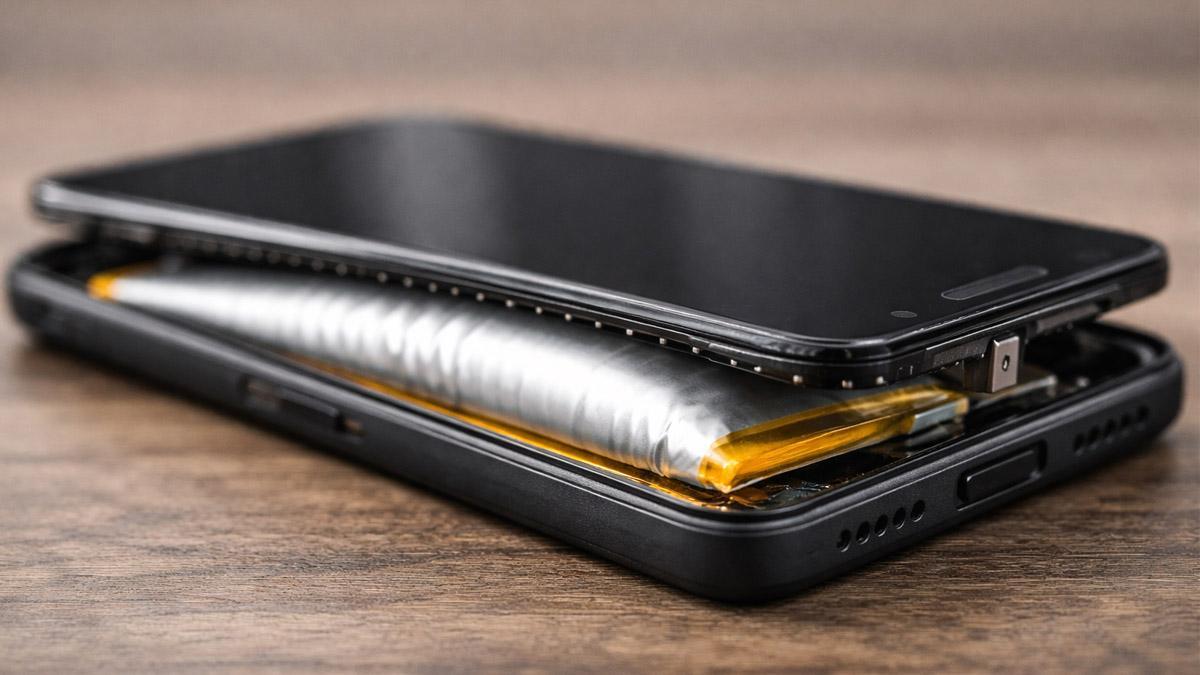
If a phone shows clear signs of battery swelling, it should be handled as a priority item, not something to “deal with later.” Swelling means the internal structure of the battery has already changed, and the phone is no longer in a stable condition. Keeping a swollen phone at home—especially in drawers, backpacks, bedside tables, or other enclosed spaces—increases unnecessary risk. These devices should not be charged, pressed, stacked with other items, or stored near heat sources. In practical terms, a swollen phone is no longer suitable for resale, repair, or long-term storage. It needs to be removed from everyday living spaces and directed toward proper disposal or recycling as soon as possible. This urgency is not about age or resale value, but about safety. Understanding the role lithium batteries play in electronic devices and why they can become unstable once damaged helps explain why swollen phones must be treated differently from normal used phones and why safety should always come before convenience.
Step one: decide whether the phone can be sold or must be recycled
Before choosing a platform, be realistic about the phone’s condition.A phone can usually be sold if: It powers on
- The battery is not swollen
- The frame is not bent
- There is no severe water damage
A phone should be recycled if:
- The battery is swollen or leaking
- The phone does not turn on
- The device is cracked, bent, or structurally damaged
Trying to sell unsafe devices wastes time and increases risk. Once this distinction is clear, the right option becomes obvious.
Where to Sell Used Phones in the US and Europe
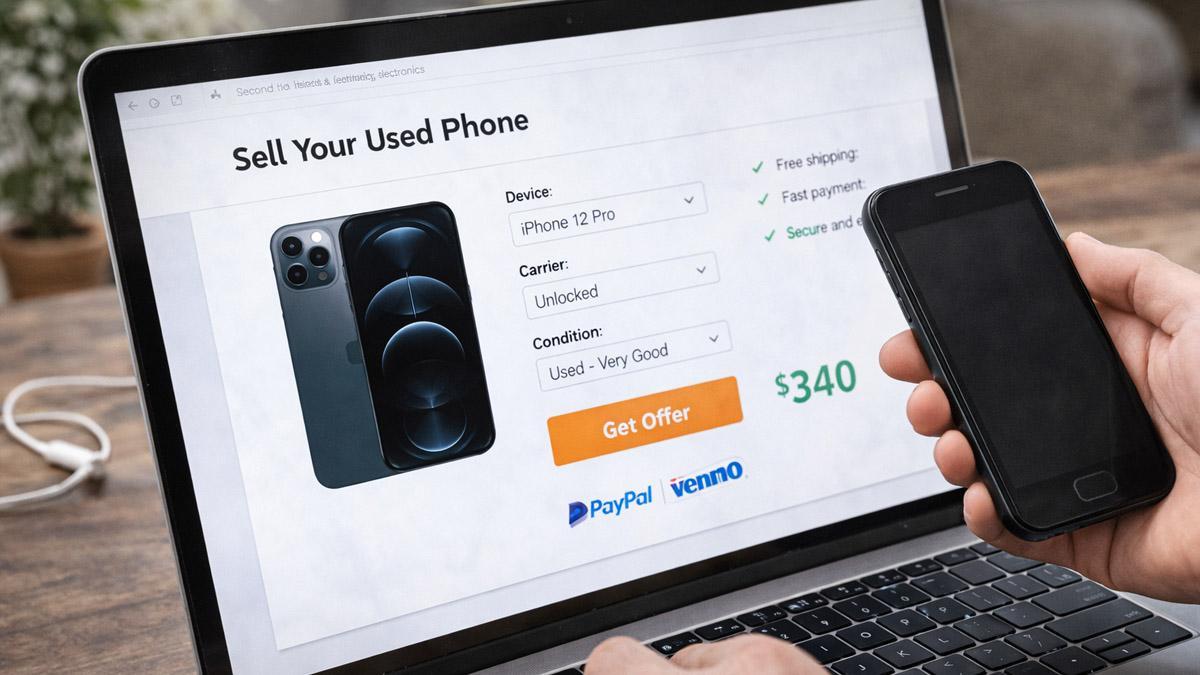
If the phone still works and is safe, selling it is often the best option. Below are widely used, legitimate platforms, with their strengths and limitations.
Popular phone resale and buyback platforms
| Platform | Region | Pros | Cons |
|---|---|---|---|
| ecoATM | US | Instant payment, no shipping | Lower prices, rejects damaged phones |
| Gazelle | US | Simple process, reliable | Prices drop if condition differs |
| Back Market | US / EU | Competitive pricing | Only accepts good-condition phones |
| eBay | US / EU | Highest potential price | Time-consuming, buyer disputes |
| musicMagpie | UK / EU | Easy, free shipping | Lower payouts for older models |
| Envirofone | UK | Established, transparent | Limited acceptance of damaged phones |
| Rebuy | EU | Strong EU presence | Strict condition grading |
Clear rule:
If a phone has a swollen battery or internal damage, do not sell it on any of these platforms. Most will reject it anyway.
Where to recycle old or damaged phones safely
Phones that cannot be sold—especially those with battery issues—should be recycled through certified channels. These options are designed to handle electronics safely.
Trusted phone recycling options
| Organization | Region | Advantages | Limitations |
|---|---|---|---|
| Best Buy | US | Free, nationwide coverage | Limited staff support during busy hours |
| Call2Recycle | US | Specialized in batteries | Drop-off availability varies |
| Recycle Now | UK | Government-backed, clear guidance | UK only |
| WEEE | EU | Legal and standardized | Access depends on country/city |
| Manufacturer mail-in programs | US / EU | Safe, convenient | No compensation |
These options are appropriate for:
- Swollen cell phone battery disposal
- Broken phones
- Phones that no longer power on
Manufacturer mail-in recycling programs
Several phone manufacturers provide mail-in recycling programs for old or damaged devices. These programs allow users to ship phones directly to approved recycling partners.
This option is useful when:
- No local recycling center is nearby
- The phone is damaged or unsafe to store
- The user prefers not to handle disposal in person
Retail and municipal drop-off locations
Large electronics retailers often accept phones for recycling, even if the device was not purchased there. Local governments may also operate electronic waste collection points or scheduled recycling events.
Phone disposal locations vary by region, but most urban areas provide at least one official option for safely disposing of old mobile devices.
Data and privacy considerations before phone disposal
Phone disposal is not complete until personal data is handled properly. Even phones that no longer work may still contain recoverable information.
Before selling or recycling a phone:
- Back up important data
- Sign out of accounts
- Perform a factory reset if possible
- Remove SIM cards and memory cards
Secure disposal protects personal information and prevents unauthorized access after the device leaves your possession.
Conclusion
Old mobile phone disposal does not need to be complicated, but it does need to be timely. Functional phones should be sold through legitimate resale channels. Broken phones, phones with bad batteries, and swollen devices should be recycled through certified programs.
Leaving old phones at home serves no practical purpose and increases unnecessary risk. Handling them properly—by selling what can be sold and recycling what cannot—is the safest and most responsible approach.