


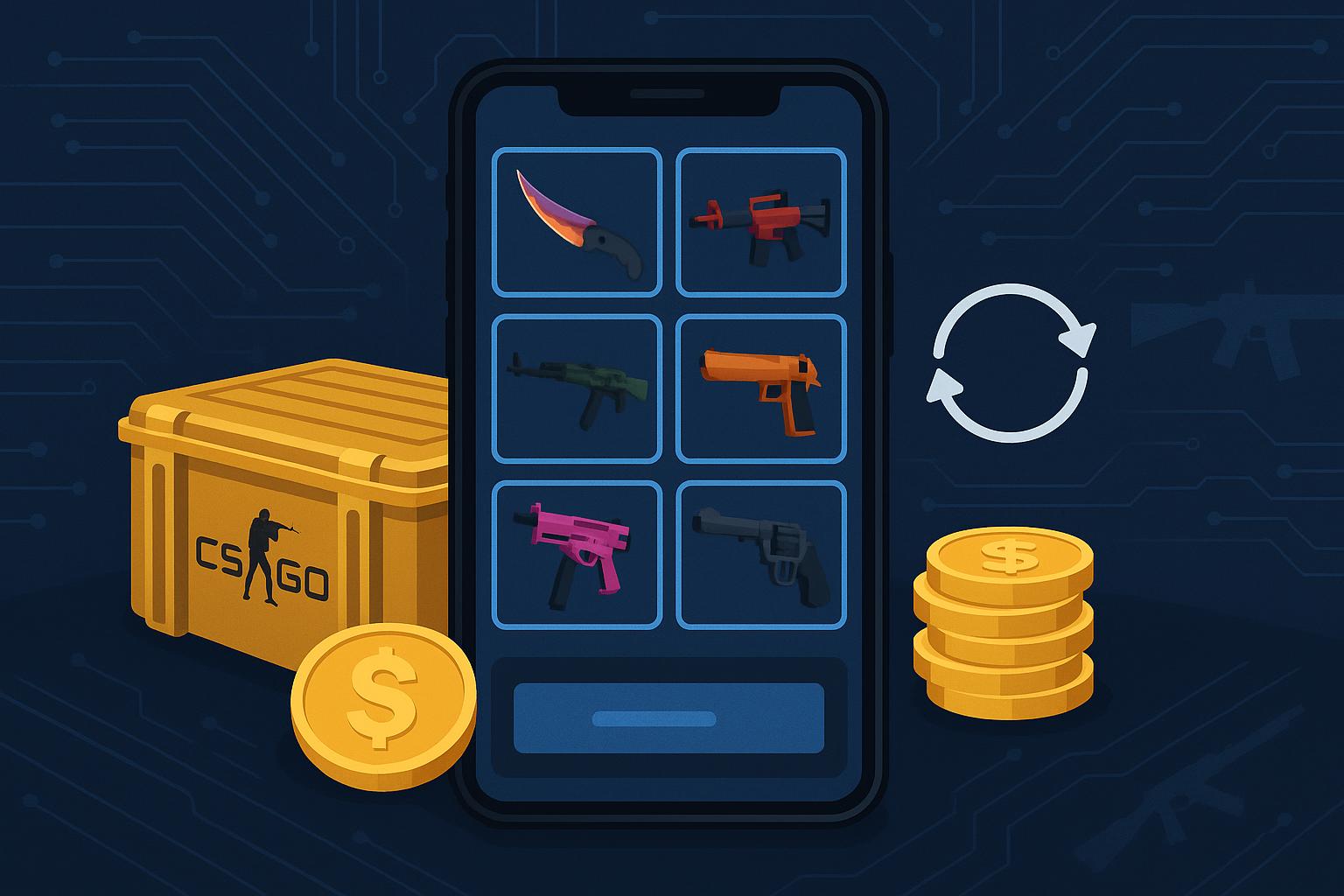
Not long ago, trading Counter-Strike skins meant sitting at a desktop, juggling Steam windows and refreshing marketplace tabs. Today, a growing share of that activity happens on a phone, often during a commute or a break between matches. Skin trading and case opening have steadily shifted towards mobile browsers, and platforms such as CSGO Gem have adapted their layouts and features to suit players who want quick access wherever they are. But what has driven this move away from the desktop, and what does it mean for the way players manage their CS2 inventories?
Smartphones Became the Default Screen
Contents
The simplest explanation is that smartphones are now the device people reach for first. Most gamers carry a powerful phone at all times, and checking a skin price or a trade offer takes seconds rather than minutes. While CS2 itself remains a PC game, everything surrounding it, from browsing inventories to following esports results, now fits comfortably on a smaller screen. Skin sites have simply followed their users, recognising that a player who can only engage when seated at a desktop is a player who engages far less often.
Why Browsers Won Over Dedicated Apps
It might seem logical for skin platforms to launch dedicated mobile apps, yet most have focused on the mobile browser instead. Part of the reason lies in app store policies, which tend to restrict apps involving virtual items with real-world value. Building for the browser avoids those hurdles entirely while allowing a single site to work across iPhone and Android devices. Modern web technology also means browser-based platforms can feel almost as smooth as native apps, with fast load times, touch-friendly menus and animations that hold up well on a phone. For players, there is no download to manage and no updates to install, which removes friction from the experience.
Steam’s Mobile Tools Paved the Way
The shift would have been far harder without Steam’s own mobile features. The Steam Mobile app lets players confirm trades and approve logins through Steam Guard on their phones, which made mobile trading feel secure and routine. Once confirming a trade on a phone became second nature, using a mobile browser to deposit skins, open cases or join a battle was a short step. Sign-in through Steam on these sites also means players can access their inventory without creating separate accounts or entering lengthy details on a small keyboard.
Short Sessions Suit the Format
Case opening and skin trading lend themselves naturally to brief bursts of activity. Opening a single case, checking the outcome of an upgrade or joining a quick case battle can take less than a minute. This makes these activities a natural fit for mobile habits, where users dip in and out throughout the day rather than settling in for long sessions. Platforms have responded by streamlining their interfaces, placing popular game modes and inventory tools just a tap or two away. Live features such as real-time drop feeds and battle lobbies also translate well to mobile, keeping the experience social and engaging even on a small screen.
What Players Should Still Keep in Mind
Convenience brings its own considerations. The ease of opening cases from a phone can make it more tempting to spend impulsively, so setting a budget and sticking to it matters just as much on mobile as it does on desktop. Players should also check that any site they use runs on a secure HTTPS connection, explains its odds clearly and offers transparent withdrawal processes. Signing in only through official Steam login pages and keeping Steam Guard active are simple habits that go a long way towards protecting an inventory, whichever device is being used.
In conclusion, the move of CS2 skin trading and case opening onto mobile browsers reflects broader changes in how people use technology. Smartphones have become the primary screen for millions of gamers, browser-based platforms sidestep app store restrictions, and Steam’s mobile tools have made trading on the go both secure and familiar. As skin sites continue to refine their mobile experiences, the phone looks set to remain central to how players interact with their CS2 inventories, provided they continue to approach the hobby with the same care and caution they would apply anywhere else.