


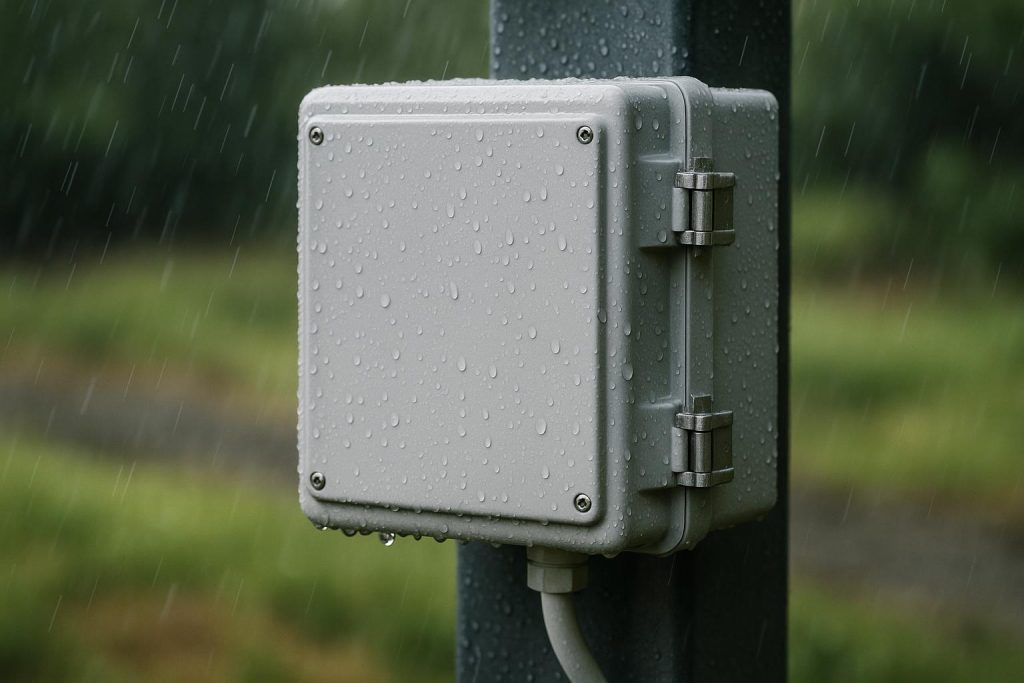
Key Takeaways
Contents
- Key Takeaways
- Maximizing Durability: How Waterproof Enclosures Stand Up to Harsh Environments
- Enhancing Safety: Protecting Electronics and Personnel
- Cost-Efficiency: Long-Term Savings Through Smart Investment
- Flexible Applications: Tailoring Enclosures to Your Unique Needs
- FAQ
- What industries benefit the most from waterproof enclosures?
- How do waterproof enclosures affect the lifespan of electronic components?
- Can waterproof enclosures be retrofitted onto existing systems?
- What specific features can be included in custom waterproof enclosures?
- How does the choice of materials impact enclosure performance?
- What are the installation challenges associated with waterproof enclosures?
- How do waterproof enclosures ensure employee safety?
- What maintenance is required for waterproof enclosures?
Waterproof enclosures are vital for protecting electronic systems from water damage, thereby ensuring their reliability and longevity even in harsh environments. They create a solid barrier against moisture, dust, and debris—an aspect crucial for businesses that operate in outdoor or marine settings.
Engineered to endure extreme weather patterns, these enclosures come with ratings such as NEMA 6P and IP68, demonstrating their ability to resist heavy rain and freezing temperatures. Thanks to this durability, sensitive electronics can maintain consistent functionality, which in turn boosts operational reliability.
Choosing the right materials is fundamental for achieving the efficiency of waterproof enclosures. Options like polycarbonate offer lightweight strength, whereas stainless steel provides outstanding corrosion resistance, both enhancing overall durability and impact protection.
Moreover, these enclosures significantly decrease the risk of electrical failures linked to water ingress, thus protecting both personnel and equipment from potentially dangerous situations. Their implementation reduces the chances of accidents across various industries, thereby promoting workplace safety.
By investing in waterproof enclosures, businesses can significantly lower long-term maintenance and repair expenses caused by environmental damages. This forward-thinking strategy leads to substantial cost savings over time while also improving productivity by minimizing equipment downtime.
Another advantage lies in the customizability of waterproof enclosures, which allows organizations to tailor solutions to specific project needs and industry requirements. Features like temperature regulation and corrosion resistance can be incorporated, adding further value.
Lastly, installation processes become increasingly efficient with well-designed waterproof enclosures, enabling quick setups that blend seamlessly with existing systems. This streamlined approach not only reduces project build times but also maintains high levels of security and protection.
Maximizing Durability: How Waterproof Enclosures Stand Up to Harsh Environments
Unmatched Protection Against Water Damage
Water damage can wreak havoc on electronic systems, often leading to operational failures and financial strain. For companies that value reliability, waterproof enclosures emerge as a strong solution. They act as a formidable barrier against moisture, dust, and debris, keeping crucial components secure. In marine and outdoor scenarios, safeguarding sensitive electronics from saltwater is imperative. These enclosures undergo rigorous testing to endure high-pressure water exposure, making them indispensable for firms working in challenging environments.
Imagine a manufacturing plant employing advanced control systems. Any downtime can translate into significant losses. Waterproof enclosures help eliminate the risks of liquid ingress, thereby prolonging the lifespan of essential equipment.
Resilience in Extreme Conditions
The unpredictability of weather poses challenges. From fierce storms to extreme cold and heat, equipment performance can suffer greatly. Fortunately, waterproof enclosures are designed to withstand these hardships, often carrying specific NEMA or IP ratings like NEMA 6P or IP68, which assure users of their capacity to endure various adverse conditions.
Extensive testing has shown that these enclosures can maintain their integrity through severe conditions, from torrential downpours to subzero temperatures. For instance, electronics safely contained within these protective layers continue to operate effectively, regardless of external stresses. This resilience instills confidence in operations and maintenance schedules.
Materials that Last: Choosing the Right Components
The choice of materials significantly impacts the performance of waterproof enclosures. To ensure optimal effectiveness, manufacturers typically utilize high-grade plastics, metals, and seals. Common choices include polycarbonate, aluminum, and stainless steel, each bringing specific advantages to the table. Polycarbonate, for instance, is both lightweight and durable, while stainless steel shines in corrosive conditions.
- Polycarbonate: Durable and lightweight.
- Aluminum: Economical and resistant to corrosion.
- Stainless Steel: Perfect for extreme environments.
This combination of materials forms a barrier that not only shields against moisture but also withstands physical impacts. Selecting the right mix helps ensure that the enclosure remains functional and effective over the long haul, safeguarding valuable equipment.
Enhancing Safety: Protecting Electronics and Personnel
Defending Against Electrical Failures
Electrical failures can occur without warning, often leading to serious repercussions. Even a small amount of water ingress may result in short circuits or fires. Enter waterproof enclosures, acting as a crucial defense mechanism. They effectively thwart moisture from compromising electrical systems, significantly lowering the risk of failures.
Data suggests that environmental factors contribute to a substantial share of avoidable accidents in numerous industries. By investing in waterproof enclosures, businesses take significant steps to safeguard both personnel and equipment.
Creating a Safer Work Environment
It’s well-known that a safe environment correlates with enhanced productivity. Enclosing electronic systems doesn’t just ensure proper equipment operation, but it also protects employees from potential hazards. For instance, when housed in waterproof enclosures, sensitive electronics are far less likely to fail in adverse conditions.
By fostering safety, businesses nurture an atmosphere of trust within the workforce. Employees can focus on their tasks without the worry of potential malfunctions, contributing to a more efficient workplace.
Compliance with Industry Standards
Various industries have established guidelines to ensure safety and operational integrity. Waterproof enclosures designed to comply with standards like NEMA 6P or IP68 inherently improve a company’s compliance profile. Achieving these criteria does more than just secure certifications; it enhances overall operational effectiveness.
- NEMA Regulations: Standards ensuring durability.
- IP Ratings: Defining levels of ingress protection.
- Industry Certifications: Enhancing credibility and trust.
Investing in waterproof enclosures that meet compliance standards can unlock new opportunities, as both clients and regulatory agencies favor organizations committed to adhering to established guidelines.
Cost-Efficiency: Long-Term Savings Through Smart Investment
Minimizing Maintenance and Repair Costs
Cost overruns are often a headache for projects. Businesses frequently underestimate the long-term expenses associated with equipment maintenance and repair. Waterproof enclosures significantly alleviate these worries. By opting for high-quality protection, users observe a noticeable decline in repairs linked to water or dust damage.
When weighing lifetime costs of routine maintenance, potential downtime, and complete system replacements, the case for investing in waterproof enclosures becomes compelling. Ultimately, these solutions spare companies from lengthy outages or the need to overhaul entire systems.
Avoiding Downtime with Reliable Solutions
Downtime can quietly undermine financial health. The cost of lost revenue escalates quickly. For every minute a system remains offline due to damage, the implications can be serious. Implementing waterproof enclosures allows organizations to proactively safeguard their operations, significantly reducing unexpected downtime. Research indicates that proactive risk management can yield savings exceeding 20% on operational costs.
Reliable safeguards empower teams to concentrate on productivity rather than dealing with constant troubleshooting. When systems continue to function properly, projects run more smoothly.
How Upfront Costs Pay Off Over Time
Initially, investing in waterproof enclosures might come with a sizable price tag. Nevertheless, the long-term savings far surpass these upfront costs. Clients usually see a swift return on their investment as operational risks diminish considerably.
- Reduced Repair Frequencies: Extending equipment lifespan.
- Less Frequent Replacements: Minimizing capital expenses.
- Enhanced Productivity: Teams can work uninterrupted.
In many instances, organizations report that improved efficiency directly correlates with their investment in robust enclosures, revealing a trend that’s hard to overlook.
Flexible Applications: Tailoring Enclosures to Your Unique Needs
Custom Solutions for Any Project
No two projects are the same, nor should their solutions be. Flexibility is key when it comes to waterproof enclosures. The ability to customize specifications means organizations can modify products to suit specific requirements. Engineers and designers frequently provide tailored solutions to match project parameters or unique environmental challenges.
This flexibility enables companies to achieve solid protection in offshore conditions or opt for sleek designs suitable for urban outdoor installations. Customized enclosures take practicality to the next level.
Adapting to Varied Industry Requirements
Different industries operate under distinct conditions, which often dictate what type of enclosure is necessary. Whether it’s telecommunications, food processing, or energy generation, each sector comes with its unique demands. Waterproof enclosures can be crafted with a range of features to meet these diverse needs:
- Temperature Regulation: Ensuring optimal operational conditions.
- Corrosion Resistance: Essential for marine and manufacturing scenarios.
- Size Variability: Available in multiple dimensions to accommodate various equipment.
This adaptability guarantees that each project receives the necessary support, ultimately leading to successful outcomes.
Streamlining Installation and Integration Processes
When it comes to installation, precision is paramount. Efficiency is crucial. Waterproof enclosures designed for simplicity can dramatically reduce the time required during the construction phase. Integration with existing systems should be seamless and straightforward. Auxiliary systems connected to shelters shouldn’t complicate the project; they should extend operational capabilities effortlessly.
Expert opinion consistently highlights the importance of ease in installation processes. A well-crafted waterproof enclosure ensures quick setup without compromising security or protection.
“The right enclosure enhances both functionality and peace of mind.”
Waterproof enclosures offer unmatched advantages to organizations across various sectors. By prioritizing protection, safety, and customization, businesses can ensure their projects not only achieve success but also remain sustainable in the long term. The evidence strongly supports the notion that investing in these enclosures is essential for any serious endeavor.
FAQ
What industries benefit the most from waterproof enclosures?
A wide range of industries benefit from waterproof enclosures, but sectors such as telecommunications, marine, food processing, and construction gain notable advantages. They need protection from moisture and environmental hazards that are intrinsic to their operations.
How do waterproof enclosures affect the lifespan of electronic components?
Waterproof enclosures greatly extend the lifespan of electronic components. By preventing water damage, dust accumulation, and physical impacts, well-protected systems experience far fewer failures over time, resulting in enhanced reliability.
Can waterproof enclosures be retrofitted onto existing systems?
Yes, many waterproof enclosures can be retrofitted to fit existing electronic systems. Custom solutions are often accessible, ensuring that older equipment gets the protection it needs without necessitating a complete system overhaul.
What specific features can be included in custom waterproof enclosures?
Customization options for waterproof enclosures are extensive, comprising features like temperature regulation, size modifications for various devices, and improved corrosion resistance. Tailored designs effectively meet specific project requirements.
How does the choice of materials impact enclosure performance?
The choice of materials is a key factor; lightweight materials such as polycarbonate offer flexibility, while stainless steel ensures superior corrosion resistance. Each type serves unique environmental demands, enhancing overall durability and functionality.
What are the installation challenges associated with waterproof enclosures?
Challenges in installation usually revolve around integrating with existing systems. Nevertheless, well-designed waterproof enclosures prioritize ease of installation, minimizing setup time while ensuring both functionality and security.
How do waterproof enclosures ensure employee safety?
Waterproof enclosures enhance employee safety by significantly reducing the risk of electrical failures due to water ingress. Protecting sensitive electronics helps prevent hazards, creating a safer work environment for all personnel.
What maintenance is required for waterproof enclosures?
Typically, waterproof enclosures require minimal maintenance due to their robust design. Regular inspections to confirm that seals are intact and occasional cleanings to prevent buildup usually suffice to ensure their effectiveness over time.