


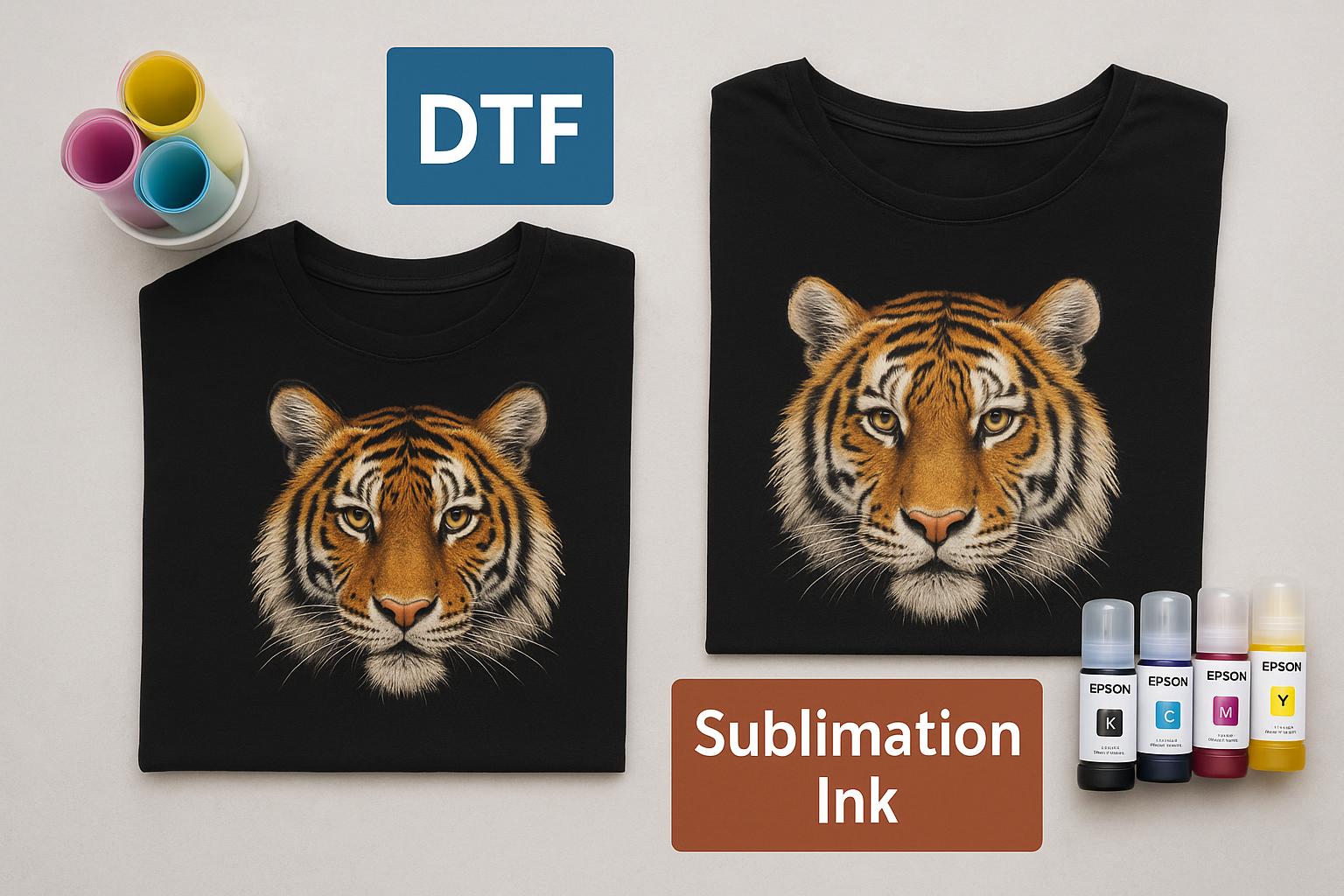
Wash durability often shapes buyer confidence more than first-day color. A graphic can look clean at delivery, then lose value after detergent, heat, abrasion, and fabric flex begin stressing the image. Direct-to-film and sublimation both create striking results, yet each depends on a different bond with the garment. That difference affects crack formation, edge lift, color retention, hand feel, and the way a finished print ages through repeated home laundering.
Ink Chemistry First
Contents
Durability starts with chemistry, then shifts to cure accuracy and fiber contact. Buyers comparing pigment behavior often examine resin elasticity, white layer stability, and film release before settling on a system. In that context, direct-to-film printer ink is often compared with sublimation dye because adhesive grip, cured flexibility, and resistance to detergent stress help determine how a graphic tolerates wash cycles, rubbing, and repeated daily use.
How Each Method Bonds
Sublimation uses heat to convert dye into a gas, then drives color into polyester fibers. That route leaves almost no raised layer on the surface. Direct-to-film works differently because pigment rests above the cloth through a cured adhesive coating. Fiber-level bonding usually holds up longer in laundering, especially against fade loss and crack lines, when the garment contains a high share of polyester.
Fabric Content Changes Everything
Fiber makeup often decides the outcome before printing begins. Sublimation performs best on white or pale polyester, where dye can move into the yarn structure with little resistance. Cotton does not accept that transfer well, and dark garments reduce visual accuracy. Direct-to-film handles cotton, blends, and black textiles with fewer limitations. Many shops accept a slightly shorter service life because that method suits a wider garment mix.
Cure Quality Decides Longevity
Application control can preserve a print or shorten its useful life. Under-cured direct-to-film transfers may feel tacky, lift at corners, or split after a few wash cycles. Too much heat can stiffen the adhesive layer and reduce flex. Sublimation also suffers from poor setup, since low pressure or short dwell time weakens dye penetration. Stable temperature, even pressure, and full cure depth matter more than marketing claims.
Stretch, Crack, and Peel
Clothing bends, twists, and compresses during ordinary use. Sleeves rotate, chest panels flex, and seam areas create concentrated stress during wear and laundering. Sublimation usually tolerates movement well because the color becomes part of the textile itself. Direct-to-film can also perform well, yet thicker deposits may develop fine fracture lines in active zones if powder spread, cure level, or press pressure drifts off-target.
Color After Repeated Washing
Long wear involves more than simple attachment. Buyers also notice pigment loss, white ink yellowing, and weakening detail around thin outlines. Sublimation usually keeps a soft hand and clear edge definition on polyester athletic wear. Direct-to-film can remain vivid on cotton, though heavy white underbases sometimes lose brightness sooner. Hot water, strong detergent, and aggressive drying all raise that risk over time.
Common Failure Patterns
Each process tends to fail in a distinct pattern. Direct-to-film often shows edge lift first, then light cracking, and then uneven loss across raised areas. Sublimation rarely peels, because no separate surface film needs to detach. Instead, fading usually appears gradually with repeated washing and ultraviolet exposure. That difference matters visually. A pale graphic may still appear acceptable, while a lifting transfer often looks damaged much earlier.
Best Fit by Production Goal
For polyester uniforms, training shirts, and pale performance wear, sublimation usually delivers the longest wash life. The print stays breathable, soft, and closely bonded after repeated care. For cotton apparel, dark garments, and mixed short-run orders, direct-to-film is often the practical choice. It offers broader textile compatibility and solid color coverage. Results stay dependable when operators keep cure settings stable and care guidance realistic.
Conclusion
Neither method wins every case, because wash durability depends on fiber type, bond structure, cure control, and laundering habits. Sublimation usually lasts longer on polyester, since dye enters the fabric rather than sitting above it. Direct-to-film remains a strong option for cotton and blends, where sublimation faces clear limits. The better choice is usually the process matched to garment composition, expected wear pattern, and disciplined production control.