


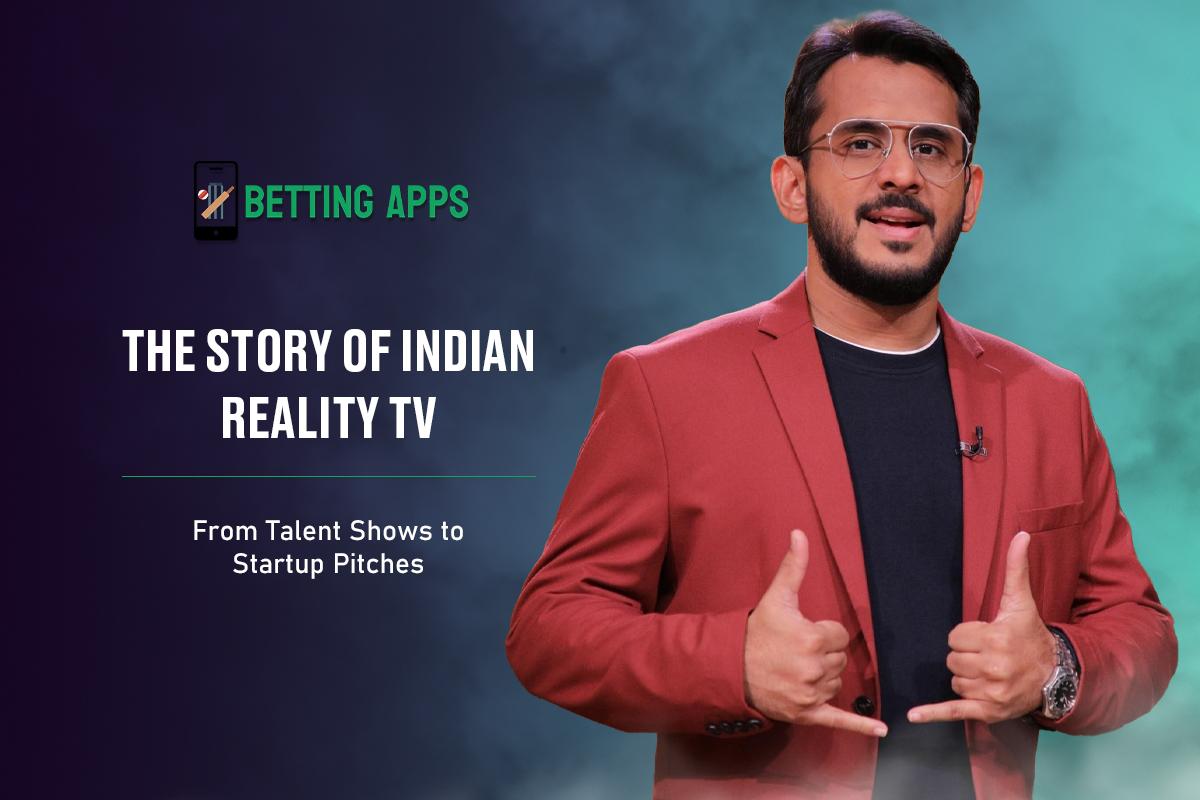
For a long period of time, highly successful Indian reality television shows were singing competitions, like Indian Idol. Then in 2021, everything changed and Indian Idol transitioned into Shark Tank India, and changed the competition format from singing contestants to contestants in the business economical world.
This hunger for high-stakes competition mirrors a trend seen in the growing betting apps game, where strategy is key. As the digital scene evolves, many people search for the best betting apps in India to find reliable options. This search often includes looking for a quality betting apps casino to add another layer of entertainment, making the choice of betting apps a calculated decision in itself.
With the invention of Shark Tank India, real world business economics became entertainment. The country became obsessed with real world inspiration from the business plans and real world competitive game.
Indian Reality TV Evolution Overview
Contents
- Indian Reality TV Evolution Overview
- Origins Of Talent Reality TV In India
- Early Singing Reality Show Milestones
- Dance Reality Show Growth In India
- Multi Talent Reality Show Expansion
- Business Pitch Reality TV Arrival
- How Do Startup Pitch Shows Work
- Indian Reality TV Judges And Hosts
- Viewer Links To Indian Reality Show Content
- Career Effects Of Reality TV Participation
- Current Reality TV Trends In India
TV in India has changed significantly since the introduction of Sa Re Ga Ma Pa from the simple quiz shows of the 1970s, such as those on Doordarshan. Audiences were hooked by the phone voting system, and it grew quickly as Dance India Dance and multi-talent shows entered. Indian Reality TV continued to advance even further with the introduction of successor shows. Now in 2026, new shows sponsoring ventures of ₹40 crore incorporate investment with creative arts. As of 2021, even the format of Shark Tank India caused a disruption in how live TV engagements were conducted.
Origins Of Talent Reality TV In India
Doordarshan’s quiz shows were the first of their kind in India. Bournvita Quiz Contest, for example, was a quiz competition for students and was aired in the 1970s. The early 2000s saw networks adapt their own version of internationally borrowed formats. Quizmasters from these networks conducted trials using music quiz segments. The introduction of Sa Re Ga Ma Pa also jumpstarted the Idol format in India. Doordarshan shows provided a sense of competition due to phone voting and plunged families into reality TV. They would conduct telephone votes to ensure their favorite contestants did not get eliminated. India fully transitioned to talent competition shows well within the mid 2000s. Nearly every network had one in their primetime reality TV segment.
Early Singing Reality Show Milestones
Singing competitions became the mainstay of countless TV sets in households across India. Let’s explore the series and genres that popularized this trend.
- Indian Idol debut: Sony launched the series in 2004, and it adapted the Pop Idol format with open auditions across cities;
- Live elimination rounds: Judges cut weak performers each week, and public SMS votes decided who stayed or left the stage;
- Massive TRP spikes: Families gathered to watch finales, which turned the show into a cultural event across every region of India;
- Abhijeet Sawant’s breakthrough: The season 1 winner scored playback deals and shifted to Bollywood film music almost overnight;
- Pawandeep Rajan’s marathon run: He claimed the season 12 title in 2021 after dozens of high-stakes TV episodes;
- Drama as a hook: Hosts amplified rivalries between contestants, and emotional backstories kept audiences loyal through each reality cycle.
Dance Reality Show Growth In India
India has seen substantial growth in dance reality shows over the last decade and a half, mainly because of the influence of various shows on the country’s TV audience, particularly the show Dance India Dance, which started airing in 2009 on Zee TV. From its inception, the show began discovering dancers among the country’s street performers. From there, the show began captains of the teams, and the show divided teams into different zones to then take on the challenge of competing in the mega-finals. The judges on the show included Geeta Kapur, choreographer and judge, who would score dancers on the way they fused various hip-hop and contemporary dance styles with the regional classical dance styles of India. Therefore, the dancers on the show would have a deeper understanding of other dance styles in great depth. The show quickly inspired its audience to learn its popular dance moves, share them on social media to gain popularity, and eventually led to the creation of the Little Masters edition on the show to allow child dancers to compete as well. The show has instigated multiple other dance reality shows on the Indian TV audience, mainly because the show offered the same high energy and viewership that other shows in the Indian reality TV format, mainly singing competition shows, offered. Dance India Dance attracted many Bollywood choreographers to the show as professional dancers to choreograph and guide participants.
Multi Talent Reality Show Expansion
The debut of the show India’s Got Talent in the same year as Dance India Dance meant that performers of all types, not only dancers, would be entertained on the Indian television audience. It has allowed multiple performers, such as magicians, contortionists, and various types of dancers, to have a space to show off their talents.
- Audition reach: Producers held tryouts in 20+ cities, and thousands lined up each season to compete;
- Golden buzzer power: Judges sent standout performers straight to the semifinals with one dramatic press;
- Celebrity panels: Experts and Bollywood stars scored acts on raw wow factor rather than strict technique alone;
- Viral fame: Social media clips from the show racked up millions of views, and fans campaigned hard for underdogs;
- National tours: Winners booked live concerts and brand endorsements across India within weeks of the finale;
- Spin-off growth: Kid editions and special seasons kept the reality TV format fresh through 2025.
Business Pitch Reality TV Arrival
India’s Shark Tank show, airing on Sony LIV since 2021, shifted focus from grammar and timing, developing reality TV talent from the singing arts to pitching TV talent from entrepreneurship, turning founders into potential online moneymaking streams, while audiences switched from aspiring entertainers to fanatic investors and online voters. Shark Tank’s Season 1 spanned 36 episodes, judging founders on revenue and equity splits. Indulging in the excitement of eliminations, viewers found comfort in the concept of duels as sharks purportedly mocked and criticized. As the show borrowed its original American counterpart’s structure, it still echoed Indian Idol’s competitive concept.
Shark Tank was India’s first of its kind business venture, and the concept of ‘pitching on live TV’ was new. Founders of businesses in diverse areas of industries, like audio tech and wellness pitching, were joined by prospective investors like Aman and Vineeta, and pitched while viewers discovered new business concepts and potential tech solutions to markets. By Shank Tank’s 4th season, the value of its pitched business deals surpassed billions, making it one of the most lucrative business shows in the Indian reality TV space. The show successfully proved to creators of the tech reality show that an entertainment format business pitching idea could reel in the same audiences that once voted for contestants through SMS.
How Do Startup Pitch Shows Work
Every founder has a similar experience. Applicants first need to create a video submission to the producers in India. Around 100 from the thousands that apply are chosen to go to the TV studio. Each founder is given 5 minutes to present their idea to the panel in the studio, with a monetary ask. `Sharks then sell a business estimating their revenue, profit margin, and clientele. They respond with their own lesser offers, or bail completely. Others group together to fund a larger, more impactful share. Deals are made, and the papers are signed in private. Post-show, mentoring and funds are given to the founders to expand in different markets.
Indian Reality TV Judges And Hosts
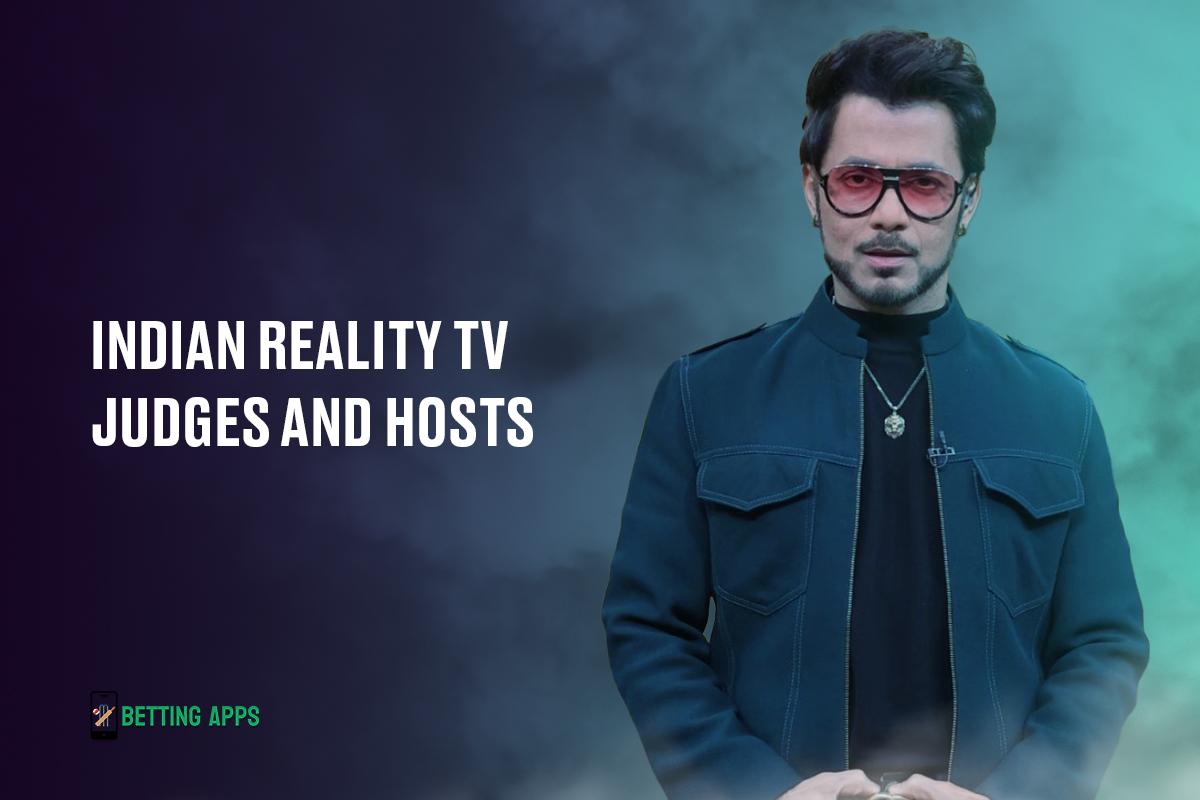
Many people encompass the judging and inspirational role in India’s Reality TV. Each character contributes their own style to every show. The judging panel changes every season to keep the funnel exciting for the audience.
- Anupam Mittal — stays as a shark across multiple seasons of Shark Tank India and focuses on tech-driven pitches;
- Aman Gupta, backs audio and electronics startups with sharp counter-offers on the show;
- Vineeta Singh, tests beauty and wellness brands hard before any deal closes;
- Geeta Kapur, spots raw flair in dance reality contests and critiques fusion styles;
- Terence Lewis, pushes contestants toward innovation in choreography on TV;
- Rannvijay Singh, hosted Shark Tank India season 1 with high energy;
- Rahul Dua, took over hosting duties and added a comedic edge to pitch episodes.
Viewer Links To Indian Reality Show Content
In order to eliminate a contestant from a major Indian reality TV show, audiences are asked to cast their SMS votes during a live broadcast. Sony and Zee TV offer dedicated apps for even quicker polling. For shows like Indian Idol and Shark Tank India, participants are able to view content rapidly shared on YouTube and Instagram. SonyLIV and ZEE5 offer OTT streams, making Indian reality shows accessible to global viewers. With the right content, a single reality show episode is capable of being a trending topic on multiple apps. Viewers are able to stream seasons even after the show has ended. Live comments and polls are also included for viewers to feel engaged.
Career Effects Of Reality TV Participation
Reality shows in India play a transformative role in launching media careers of participants. The first winner of Indian Idol, Abiheet Sawant, quickly signed a deal with a Bollywood studio. After participating in Dance India Dance, some contestants became choreographers of major films and even served as head choreographers of the entire film. Edits of Shark Tank India show the opposite. After a single pitch, NOOE, a millet-based snack brand, expanded from Indian markets to the UK’s. Starry-eyed state performers of Sa Re Ga Ma Pa soared, despite the loss, walking away with a 500,000 following after the week’s end. Incumbents who leave without a deal, remain in the game, leveraging the reality episode for private funding rounds. Participants of different shows, irrespective of the format of the show, get tours, film ventures, and endorsements, once the show ends.
Current Reality TV Trends In India
With rapid fusion of experiences in one show, hybrid formats are commonplace these days. Examples are Pitch to Get Rich that funded amounting to ₹40 crores with a focus on fashion entrepreneurs, and the Nenu Super Woman, that features angel investors collaborating with women-led startups in Telugu. The 50 drops participants into the challenges of survival that mimic elimination games that are popular worldwide. In season 5 of Shark Tank India, the food pitching of contestants is critiqued by the CEO of Zomato, who is amongst the new judges. Each Indian network is in hunt of viral clips in the episodes of these TV shows, hence the dramatic and fast trading deals. It is quite clear the formats of shows are blended, therefore, more formats like dance clashes and rounds of building brands to capture the attention of the majority, is what is expected in the reality show of 2026. The said show will most likely not fit in just one category. As channels try to reach the top of the streaming and prime-time battles in the upcoming season, we can appreciate these cross over concepts still.